
 (0)
(0)
-
A new pilot program for Home Based Care
A new pilot program for Home Based Care The Ministry of Labor, Health and Social Affairs of Georgia is launching a new pilot program for home based care in October. Children with profound and severe mental and physical disabilities will receive services of specialists at home to develop their psychological, social, self-care and communication skills.
-

Nino Katamadze`s charity solo concert - Love Will Save Us
First Step Georgia Concert and Dinner will be held on 5 june at 19:00 at Sheraton Metechi Palace Hotel, Tbilisi, to benefit Children with disabilities. featuring the Concert Nino Katamadze and "Insight"
-
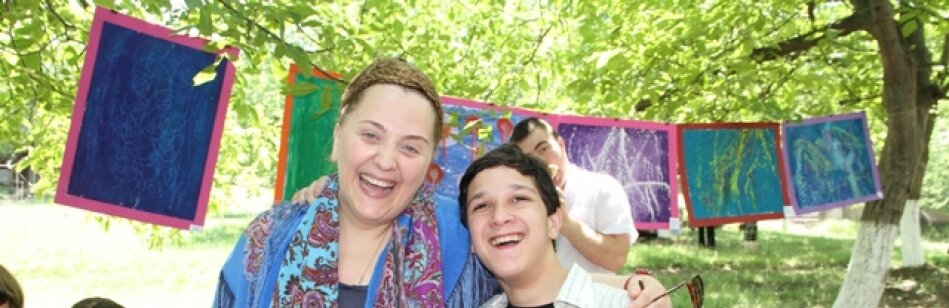
Friendship Through Art
First Step Georgia celebrated National Disability Day and organized event - "Friendship Through Art" at open air museum of Ethnography. The beneficiaries of First Step Georgia, their famyly members and friends participated in the event.
-
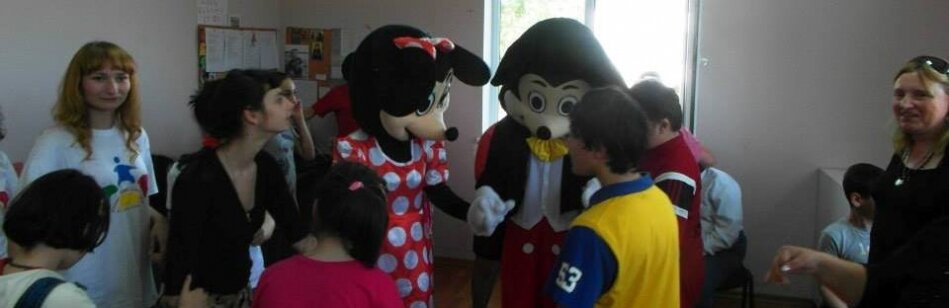
PR Club visiting the Day Care Center
The Tbilisi Day Care Center of First Step Georgia hosted representatives of the PR Club Georgia - an association of professionals in public relations, marketing, advertising and communications services.
-
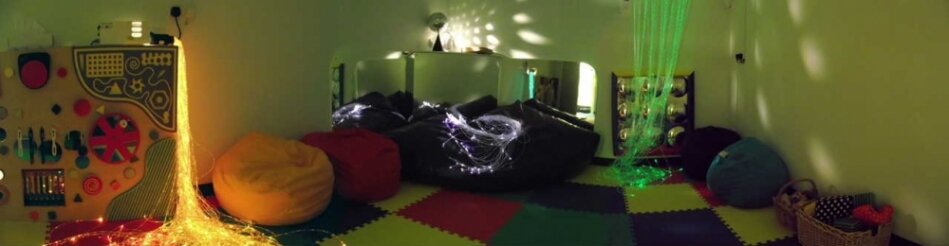
Sensory Integration Room for First Step Children
First Step Georgia launches the Sensory Integration Program for children with special needs at the Sensory Room.
It`s time to say thank you!
On December 10, in Europa House, First Step Georgia held an event dedicated to donors, partners, supporters and friends of the organization, whose support and assistance is so vital for children and if not them, First Step Georgia could not have been so successful and could not have implemented the most significant projects and programs it has been implementing for more than 17 years.A new pilot program for Home Based Care
A new pilot program for Home Based Care The Ministry of Labor, Health and Social Affairs of Georgia is launching a new pilot program for home based care in October. Children with profound and severe mental and physical disabilities will receive services of specialists at home to develop their psychological, social, self-care and communication skills.


-
-
- https://www.youtube.com/watch?v=GQkJAppKJpA
- https://www.youtube.com/watch?v=UQf-P9H7-R4
A new pilot program for Home Based Care
A new pilot program for Home Based Care The Ministry of Labor, Health and Social Affairs of Georgia is launching a new pilot program for home based care in October. Children with profound and severe mental and physical disabilities will receive services of specialists at home to develop their psychological, social, self-care and communication skills.


